
According to laws, administrative regulations, and rules such as the Foreign Trade Law of the People's Republic of China, the Regulations on the Administration of Import and Export of Goods of the People's Republic of China, and the Measures for the Administration of Export Licenses for Goods, the Ministry of Commerce and the General Administration of Customs have decided to adjust the Catalogue of Goods Subject to Export License Administration (2025) (hereinafter referred to as the Catalogue). The relevant matters are announced as follows:
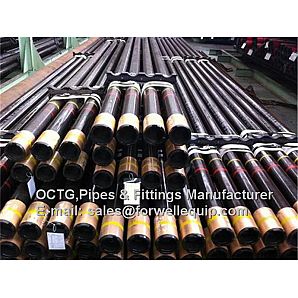
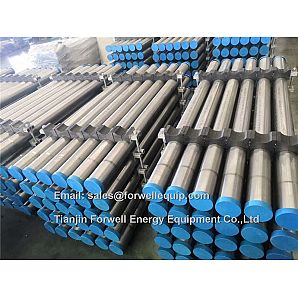
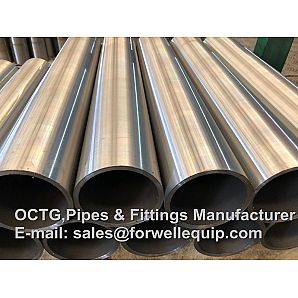
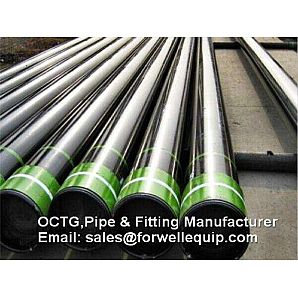
1、 Include some steel products (see attachment for details) in the catalog.
2、 Foreign trade operators exporting the above-mentioned goods shall apply for an export license based on the export contract and the product quality inspection certificate issued by the manufacturer. The Ministry of Commerce and provincial-level commercial authorities (provinces, autonomous regions, municipalities directly under the central government, cities specifically designated in the state plan, and Xinjiang Production and Construction Corps) entrusted by the Ministry of Commerce, as well as some vice provincial cities (Shenyang, Changchun, Harbin, Nanjing, Wuhan, Guangzhou, Chengdu, Xi'an), issue export licenses according to their respective responsibilities. Enterprises under the supervision of the State owned Assets Supervision and Administration Commission of the State Council in Beijing shall apply for export licenses, which shall be issued by the License Bureau of the Ministry of Commerce. Other enterprises applying for export licenses shall be issued by the local commerce department at the provincial level or the commerce department of the deputy provincial city where they are located. Other matters not covered shall be handled in accordance with Announcement No. 65 of 2024 issued by the Ministry of Commerce and the General Administration of Customs.
3、 This announcement shall come into effect on January 1, 2026.
Possible impact analysis on the market
1. Short term impact
Some enterprises may experience a phenomenon of export to domestic sales, while accelerating the clearance of inventory to avoid increasing compliance costs after the implementation of new policies. Enterprises are accelerating their transformation towards high value-added products, and large domestic enterprises are focusing on developing exports of high value-added products based on their technological advantages; Short process steel mills in major steel producing provinces such as Fujian and Jiangsu are facing significant pressure due to their single product structure and low added value. Starting from December 15th, companies can apply for licenses for the year 2026, and some companies are planning ahead to cope with policy changes.
2. Medium - to long-term structural impacts
In the long run, export license management will have a structural and profound impact on China's steel exports.
The impact on the export product structure: Export of low value-added products is restricted: low value-added products such as steel billets and hot-rolled coils have increased costs due to license application, resulting in a decrease in export competitiveness. The policy is forcing enterprises to increase research and development investment and develop high-end steel products. It is expected that the proportion of high-end sheet metal exports will increase from 37% in 2025 to 45% in 2030. At the same time, obtaining a license requires providing a quality inspection certificate, promoting the establishment of a sound quality management system for enterprises and improving product quality standards.
3. Impact on the distribution of export markets:
Exports to traditional markets such as Southeast Asia and the European Union may decline due to the dual impact of license management and trade barriers. In the future, export enterprises may accelerate the development of emerging markets such as Africa, Latin America, the Middle East and the "the Belt and Road". Large enterprises will further increase their market share in the international market by leveraging their brand and channel advantages.